Peluang Pasar Tepung Mocaf 600 ribu ton per tahun dari Indofood

mie mocaf

Oleh: Ir. Dian Kusumanto

Pada awal Maret 2011, penulis mengikuti pertemuan mengenai ketahanan pangan di Hotel Le Dian, Serang, Banten. Salah satu pembicara dalam pertemuan tersebut adalah Kepala Badan Ketahanan Pangan Kementerian Pertanian, Prof. Dr. Ir. Achmad Suryana, MSc.

mie berbahan tepung mocaf

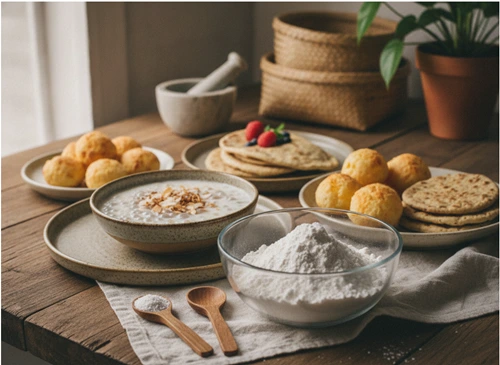
Salah satu informasi yang menarik dalam pertemuan tersebut adalah pembahasan mengenai pemanfaatan tepung mocaf sebagai bahan substitusi tepung terigu. Dalam tulisan asli, disampaikan bahwa PT. Indofood disebut telah menggunakan tepung mocaf dalam produksi mi. Namun, informasi tersebut merupakan laporan pada tahun 2011 dan perlu dipahami sebagai informasi historis yang masih memerlukan verifikasi apabila digunakan untuk menggambarkan kondisi industri saat ini.
Baca Selengkapnya

Limbah Cair Tapioka Sebagai Bahan Baku Nata de Cassava

nata de cassava

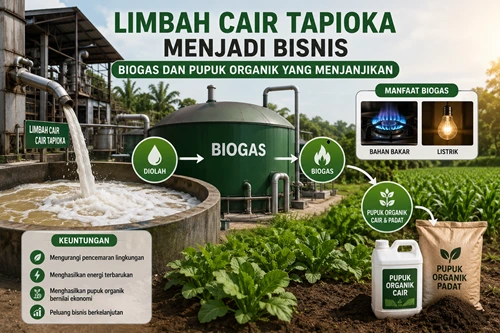
Oleh sebagian pabrik pati tapioka, limbah cair tapioka menjadi salah satu persoalan yang perlu mendapatkan penanganan lebih lanjut sebelum dibuang ke lingkungan. Limbah cair ini berasal dari air yang digunakan dalam proses pemerasan parutan singkong dan pengendapan pati.

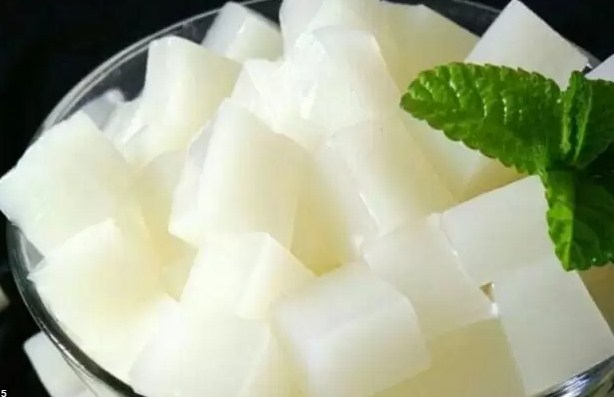
nata de cassava dari limbah cair tapioka

Keberadaan limbah cair tapioka tidak dapat dihindari dalam kegiatan produksi pati. Namun, limbah tersebut masih memiliki potensi untuk dimanfaatkan. Salah satu bentuk pemanfaatannya adalah mengolah limbah cair tapioka menjadi nata de cassava, yaitu produk hasil fermentasi yang memiliki tekstur kenyal dan dapat dimanfaatkan sebagai bahan pangan.

Pemanfaatan limbah menjadi produk bernilai tambah menjadi menarik karena jumlah limbah cair yang dihasilkan dapat cukup besar. Penelitian nata de cassava dilakukan dengan memanfaatkan sisa cair dari proses produksi pati tapioka yang sebelumnya belum dimanfaatkan secara optimal.

Baca Selengkapnya

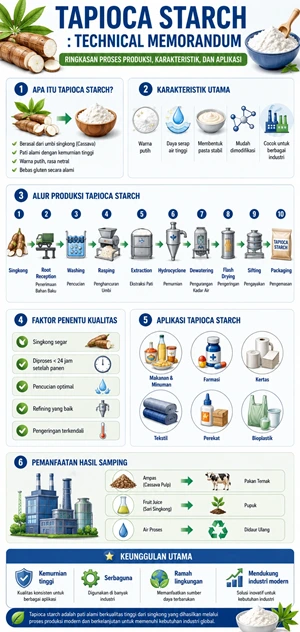
Process Flow Chart

History. The discovery of the New World increased the import and use of sugar extracted from sugar cane, particularly from plantations in the West Indies. During the Napoleonic Wars, imports were temporarily interrupted. This situation may have indirectly encouraged G. Kirchhoff to develop a process for producing a sugar substitute from starch.

In 1811, Kirchhoff published a method for the acid hydrolysis of starch. Since then, the process has been continuously modified and improved. These developments eventually led to the production of some of the most versatile starch-based sweeteners used by the food and chemical industries today.

The Second World War created another shortage of sweeteners and encouraged further advances in starch processing. One important development was the invention of the continuous glucose converter by Karl Kroyer of Denmark. Members of The International Starch Group were closely involved in the development and industrial application of this technology, including the introduction of enzymes for glucose hydrolysis and the development of new products such as Total Sugar.

Baca Selengkapnya

Modified starch

Modified starch, also known as starch derivatives, is produced by physically, enzymatically, or chemically treating native starch to change its properties. This modification makes starch suitable for a much wider range of applications across the food, pharmaceutical, paper, textile, adhesive, and other industries.

Native starch already has useful functional properties. However, different industrial processes often require starch with specific characteristics. Modified starch can therefore be developed to improve stability, control viscosity, change texture, alter gelatinization behavior, and improve performance during heating, cooling, freezing, or processing.

Baca Selengkapnya

Cassava Roots

Cassava, also known as manioc or tapioca root, is an important tropical root crop and one of the major sources of starch. The plant is native to tropical regions of the Americas and is widely cultivated for food, starch production, animal feed, and other applications.

The roots contain a substantial amount of starch at maturity, making cassava an important raw material for the production of tapioca starch, cassava chips, pellets, flour, glucose, and other cassava-based products.

Baca Selengkapnya

Starch

Starch

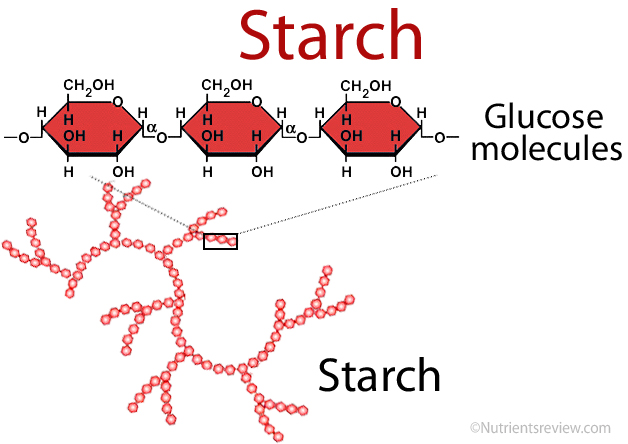
Apa Itu Pati (Starch)? Pengertian, Struktur, Fungsi, Sumber, dan Pemanfaatannya Apa Itu Pati? Pati atau starch (disebut juga amilum) adalah salah satu jenis karbohidrat kompleks yang tersusun atas ribuan molekul glukosa yang saling terhubung melalui ikatan glikosidik. Di alam, pati … Baca Selengkapnya